CES 2026: New Tech Reveals Where Innovation is Heading Next


Every January, CES turns Las Vegas into a strange mix of crystal ball and stress test. Some ideas arrive fully formed. Others wobble under their own ambition. And a few make you pause and think, wait — this might actually change how people live.
CES 2026 leaned heavily toward that last category.
Across show floors spread through the city in January, there were awards, badges, and superlatives flying around as usual. But once you look past the logos and category winners, a clearer story emerges. This year wasn’t about chasing extremes. It was about technology becoming more usable, more human, and more intentional — across laptops, AI, mobility, health, and even the weirder edges of consumer tech.
Here’s what stood out once the noise settled.
Laptops are being rebuilt, not replaced
One of the strongest signals from CES 2026 came from laptops, not because they were thinner or faster, but because they were designed to last longer.
Devices like Lenovo’s ThinkPad X1 Carbon Gen 14 Aura Edition highlighted a shift toward modularity and repairability. Instead of treating breakdowns as replacement triggers, manufacturers are beginning to design laptops as serviceable systems. This isn’t just a sustainability story. It’s a cost, longevity, and enterprise trust story — and it’s gaining momentum.
Expect more laptops in 2026 and beyond to quietly adopt this philosophy, even if they don’t shout about it on stage.
Desktops quietly reinvented themselves
CES hasn’t been kind to desktops in recent years. That changed in 2026.
HP’s EliteBoard G1a revived a decades-old idea, embedding a full PC into a keyboard — but updated it with modern silicon and performance expectations. It’s a reminder that innovation doesn’t always mean inventing something new. Sometimes it means revisiting an old idea with better constraints.
If this form factor performs well in real-world use, it could quietly influence future compact workstations.
Gaming hardware pushed boundaries on purpose
Gaming tech at CES 2026 was unapologetically ambitious.
From Lenovo’s Legion Pro Rollable concept laptop to MSI’s GeForce RTX 5090 Lightning Z graphics card, this was a year of pushing physical and thermal limits. Rollable OLED displays hinted at flexible screen futures, while extreme cooling solutions acknowledged just how power-hungry top-tier performance has become.
This wasn’t tech designed for everyone, and that honesty was refreshing.
AI moved closer to the device
One of the most important trends at CES 2026 wasn’t flashy at all. It was where AI runs.
Intel’s Core Ultra 300 “Panther Lake” platform and Lenovo’s Motorola Qira assistant both reinforced the same idea: AI is shifting closer to the user. More processing is happening on-device. More assistants are designed to move seamlessly across phones, laptops, and tablets.
The takeaway? AI is becoming infrastructure, not an app you download.
Displays stopped chasing size and started chasing purpose
Yes, screens are still getting bigger. But CES 2026 showed that context matters more than scale.
Dell’s UltraSharp 52 Thunderbolt Monitor was built for extreme multitasking, not casual viewing. Samsung’s S95H OLED TV blended high brightness with art display modes and wireless flexibility. These weren’t spec races. They were design decisions based on how people actually use screens.
The era of “bigger is better” is slowly giving way to “better where it matters”.
Robots stopped performing and started working
Humanoid robots were everywhere at CES 2026, but one stood out for a simple reason: it looked ready to do a job.
Boston Dynamics’ Atlas isn’t being pitched as a household companion. It’s being prepared for manufacturing floors. Meanwhile, Roborock’s Saros Rover tackled something far more mundane but arguably more impressive — climbing stairs.
Across categories, robots became less theatrical and more practical. That’s a sign of maturity.
Health and wellness tech grew more specific
CES 2026 showed a noticeable shift in health technology. Instead of broad “wellness” promises, devices targeted very specific life stages and needs.
From Peri’s perimenopause-focused wearable to Withings’ BeamO health hub, the emphasis was on helping people make informed decisions — not overwhelming them with data. Even pet tech and baby tech followed this trend, focusing on early signals and peace of mind rather than constant monitoring.
Health tech is becoming less about optimisation and more about reassurance.
Accessibility and mobility gained real momentum
Some of the most meaningful innovations at CES 2026 weren’t headline-grabbing at all.
Products like Tombot Jennie, Dephy’s Sidekick exoskeleton footwear, and Strutt’s autonomous mobility scooter addressed ageing, mobility, and independence with refreshing clarity. These weren’t concept demos. They were solutions designed for people who are usually an afterthought in tech launches.
This category felt less like “assistive tech” and more like essential tech, finally catching up.
Energy and sustainability moved beyond slogans
Sustainability at CES often feels abstract. Not this year.
Willo’s alignment-free wireless power demo and Beatbot’s self-emptying pool cleaning ecosystem focused on reducing friction, waste, and maintenance. These weren’t greenwashing stories. They were efficiency stories, and that’s where sustainable tech tends to stick.
And yes — CES still got weird
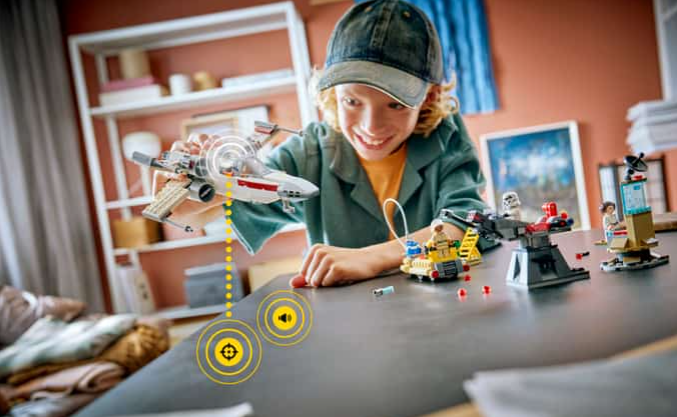
CES wouldn’t be CES without a few moments that make you blink twice. From Lego’s Smart Play System that blends physical bricks with sensors, to Lepro’s AI “soulmate” companion living inside a glowing cylinder, the show reminded us that experimentation still matters. Not everything here will scale. But some of today’s weird ideas are tomorrow’s normal.
Distilled
CES 2026 wasn’t about chasing spectacle.
It was about technology settling into adulthood. AI became quieter and closer to the device. Hardware became more repairable. Robots became useful. Health tech became specific. And accessibility finally felt central, not secondary. If previous CES editions promised the future, CES 2026 focused on making it livable — and that may be the most important shift of all.