
AI Shaming: The Quiet Stigma of Using AI at Work


Walk into almost any tech team today, and you will hear the same quiet admission sooner or later: “I asked AI to help with it.” Sometimes it is a developer debugging a piece of code or a researcher structuring a draft. And sometimes it is a marketer trying to turn a rough idea into a presentation.
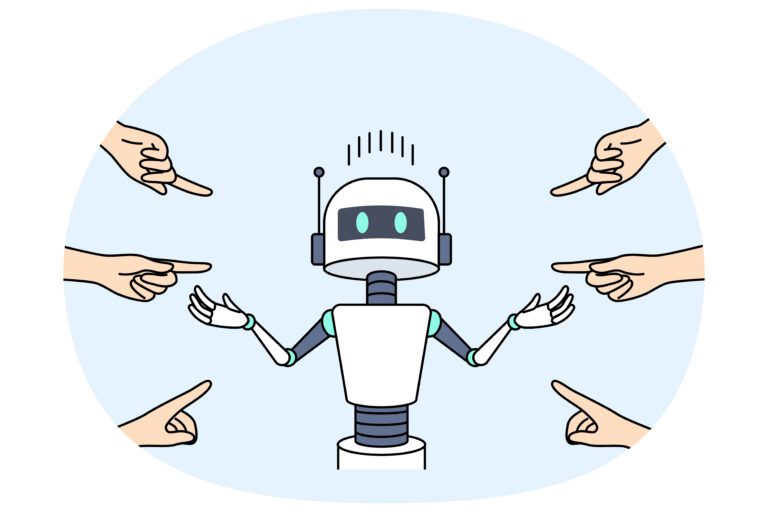
The strange part is that people often lower their voices when they say it, fearing AI shaming.
Even as companies invest heavily in AI and encourage teams to adopt it, people still hesitate to admit when they use it. Students worry about being accused of cheating. Writers fear their work will be dismissed as machine generated. Developers sometimes accept AI-generated code suggestions without mentioning them in reviews.
So what exactly is going on here, and why are people still uneasy about tools that companies themselves are pushing employees to use? Let’s unpack the idea of AI shaming and see what is really behind it.
The rise of AI shaming
The term has already entered academic research. In a 2024 paper titled AI Shaming: The Silent Stigma among Academic Writers and Researchers, scholar Louie Giray describes AI shaming as the act of criticizing or devaluing work simply because artificial intelligence tools were used to produce it.
The reaction often goes beyond skepticism. AI-assisted work may be framed as less authentic, less intellectual, or even ethically questionable. According to the research, critics sometimes portray AI use as lazy or deceptive, despite the fact that the final work may still involve extensive human judgment and revision.
This reaction is not entirely new.
Throughout history, major technological innovations have triggered anxiety before becoming accepted parts of everyday life. The printing press was once feared for spreading misinformation. Electricity was considered dangerous and unnecessary when first introduced. Artificial intelligence may simply be the latest chapter in that pattern.
But today’s workplace environment introduces a twist!
Companies are not merely accepting AI; they are actively pushing employees to use it.
When AI use becomes a performance metric
The shift is particularly visible in the technology industry.
According to reporting by the Wall Street Journal, companies ranging from startups to giants such as Amazon, Google, and Meta are increasingly tracking employee use of AI tools and linking it to productivity expectations.
Some organisations now monitor how frequently engineers rely on AI-assisted development tools. In certain cases, those metrics are discussed during performance evaluations.
At Microsoft, managers increasingly ask employees to explain how AI tools contribute to their workflows. Meta’s internal systems reportedly analyse how many lines of code were produced with AI assistance. Amazon Web Services managers have dashboards that display developers’ usage of AI tools during coding.
For some companies, AI fluency has even become part of hiring. Candidates may be asked to demonstrate how they solve problems using AI tools, explain their prompting strategies, and justify their choice of models.
Seth Besmertnik, chief executive of digital marketing company Conductor, describes the approach bluntly:
“We are using carrots and sticks. The only way to have a thriving company is if you have all your staff having a high level of competency.”
In other words, artificial intelligence is no longer an optional experiment. It is becoming a professional expectation.
Why the push for AI adoption?
The answer is simple: productivity.
Generative AI tools can generate boilerplate code, summarise complex documents, analyse datasets, and produce first drafts of reports or presentations. For developers, AI coding assistants reduce the time spent writing repetitive functions. For analysts, AI can structure large amounts of information into usable summaries.
Companies that have invested billions into AI systems are eager to demonstrate measurable gains.
As Brian Elliott, an advisor on the future of work, notes in the Wall Street Journal, organisations developing AI tools must prove their value internally before convincing customers. If AI does not improve productivity within the companies that build it, selling it to others becomes difficult.
From a business perspective, pushing employees to adopt AI tools makes sense. From a cultural perspective, the transition is more complicated.
The five types of AI shaming
The research on AI shaming identifies several common profiles among critics of AI-assisted work. These reactions often reflect deeper anxieties about technological change rather than the tools themselves.
| Profile | Typical belief | Example reaction |
| Traditionalists | Established methods are superior to new technologies | “Real researchers analyse data manually.” |
| Technophobes | New technologies introduce risk or ethical concerns | “AI tools cannot be trusted for serious work.” |
| Elitists | Expertise should remain limited to highly trained professionals | “Anyone using AI shortcuts is not a real expert.” |
| Purists | Human creativity should remain untouched by automation | “Authentic writing cannot involve AI.” |
| Generational skeptics | New tools undermine the methods previous generations relied on | “The old way worked fine.” |
These attitudes do not necessarily come from hostility. Often, they arise from uncertainty about how AI affects professional identity. If expertise once meant performing every task manually, the idea of collaborating with machines can feel unsettling.
What platforms actually say about AI content
Interestingly, major technology platforms are far more pragmatic about AI-assisted work than many critics assume.
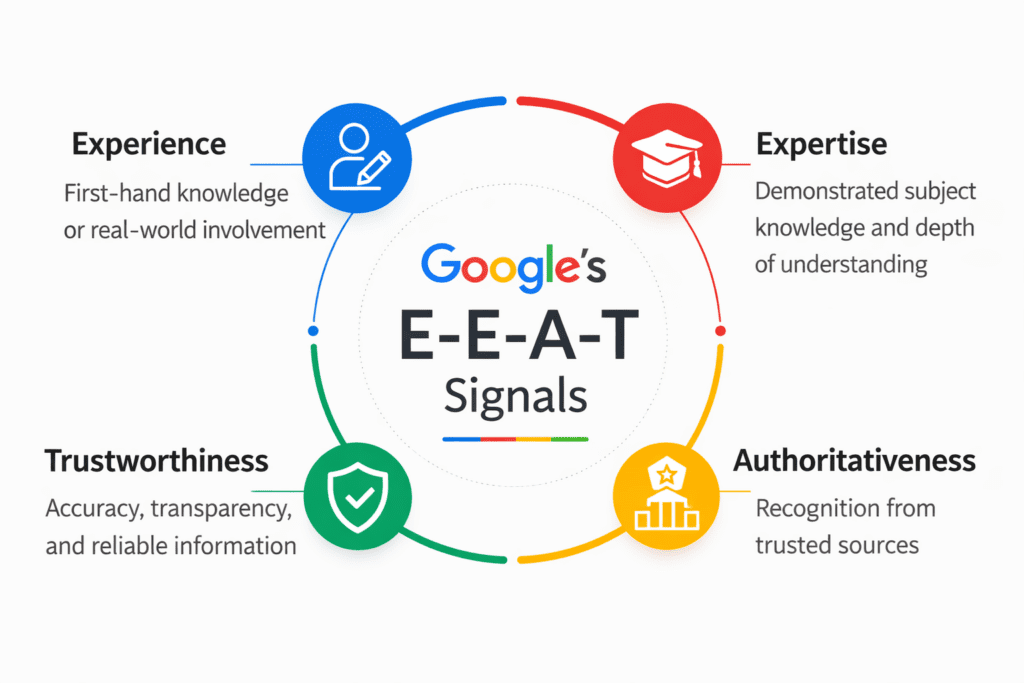
Google’s Search Quality team has made its position clear: content is evaluated primarily on whether it is helpful and reliable for users. The company’s ranking systems look for signals that reflect experience, expertise, authoritativeness, and trustworthiness, often referred to as E-E-A-T.
Google’s own guidance explains that automation, including AI, can be used to create content. The company aims to prevent large volumes of material produced solely to manipulate search rankings. In practice, the real concern has always been quality and usefulness rather than the specific tools involved.
AI tools are already becoming part of everyday workflows across coding, research, design, and writing. The technology is moving quickly, even if the comfort level around openly acknowledging its use is still evolving.
Distilled
Think about how people talk about AI at work. Someone admits they used it to organise a report or debug a line of code, and suddenly the conversation becomes awkward. But perhaps it shouldn’t be. Tools change. What matters is still the same: the human judgment behind the final work.