
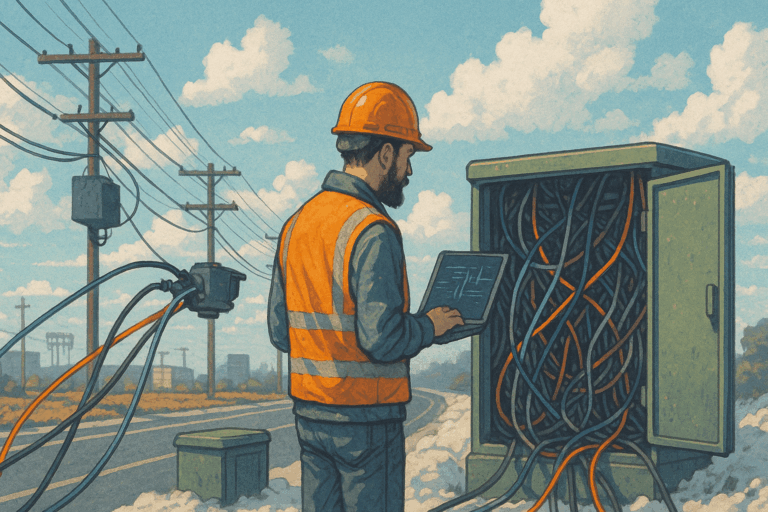
Xfinity Outage Reveals the Fragile Internet We Depend On


The morning of the Xfinity outage felt strangely familiar to anyone who has lived through a sudden internet blackout.
One moment, everything worked. The next moment, nothing did. Video calls froze. Schoolwork stalled. Smart devices stopped responding. Even the usual background noise of notifications disappeared. The silence said everything. Our connected lives stop the moment the internet does.
The Xfinity outage lasted only a short while, yet it revealed a deeper truth about the way we live. Our digital routines depend on networks that are far more fragile than we assume. When the connection fails, so does our day.
This incident was not just another moment of global irritation. It highlighted the real state of ISP reliability issues and the urgent infrastructure priorities ahead of 2026.
A national reminder of how much we rely on the internet
The Xfinity internet outage spread quickly across homes and offices. People checked multiple devices, hoping one might still hold a connection. They restarted routers, switched networks, and searched for updates. Every attempt ended the same way: no connection.
This event echoed similar disruptions like the Spectrum internet outage, which showed the same vulnerability in other regions. These repeated disruptions point to a pattern. The internet is strong when it works and extremely delicate when it fails.
Every outage also confirms how deeply online life has become woven into daily rhythms. Connectivity powers work, school, entertainment, healthcare, payments, and home systems. When it drops, the impact is immediate and widespread.
Why today’s networks struggle under rising pressure
The Xfinity outage exposed the growing strain on modern networks. Internet usage has expanded far beyond old traffic patterns.
Homes now support remote work, online classrooms, cloud gaming, smart appliances, and constant streaming. Many houses run ten or more connected devices before lunchtime. This shift increases the load on old infrastructure. ISPs upgrade sections of their networks, but demand grows faster than expansion. Networks designed for lighter usage now face heavy, unpredictable spikes. Even a small fault can ripple across regions and trigger a large-scale internet outage.
The lesson is simple. Speed upgrades are not enough. Reliability matters more than advertised download figures.
The real impact of an internet outage on customers
For households, the impact of an internet outage on customers is immediate and practical. Remote workers cannot attend meetings or access cloud systems. Students lose access to assignments and classes. Smart devices freeze or disconnect. Retail systems struggle to complete transactions. Telehealth appointments fail. Security cameras go offline.
This outage showed how the internet now sits alongside electricity and water as essential infrastructure. Families depend on it for routine tasks. Businesses depend on it for operations. Schools depend on it for continuity. Healthcare depends on it for access. An outage, therefore, becomes more than a tech problem. It becomes a disruption to daily life.
A pattern beyond one provider
The Xfinity outage was not an isolated story. Recent months have delivered many disruptions across major providers. The Spectrum internet outage affected thousands across several regions. Outages from AT&T, Verizon, BT, and other global ISPs followed similar patterns.
The scale changes each time, but the message remains the same. Networks are under strain. ISPs expand their customer base faster than they upgrade their infrastructure. Demand keeps rising while maintenance cycles fall behind. This combination produces predictable disruptions.
These outages signal the need for stronger planning, not just quicker fixes.
Lessons from the Xfinity outage that the industry must absorb
Reliability must replace speed as the top-selling point
The outage showed that fast speeds mean little without stable uptime. Customers now value consistency over headline numbers, especially for work and school.
Transparency during outages builds trust
Silence creates frustration. People want clear, frequent updates. Honest communication reduces confusion and helps maintain confidence even during failures.
Proactive maintenance prevents avoidable failures
Networks face heavier traffic than ever. Continuous monitoring helps detect weak points early, allowing engineers to fix issues before they escalate.
Redundancy is essential for stability
Single routes create single points of failure. Backup fibres, alternate paths, and better load balancing reduce the scale of any future internet outage.
Customer service must scale during emergencies
Outages trigger huge spikes in support requests. ISPs need faster automated systems and clearer status tools to support customers during high-pressure moments.
Infrastructure investment cannot wait
Demand is rising each year. Providers must expand fibre, modernise ageing hardware, and strengthen climate resilience to avoid repeating events like the Xfinity outage.
What the outage revealed about modern infrastructure
The outage highlighted the fragility of last-mile connections. Many customers imagine the internet as a robust global network. Yet the part that matters most is the final stretch between the ISP and the home. This segment often relies on old cables, limited redundancy, and inconsistent maintenance.
A single damaged point can disable entire neighbourhoods. When millions depend on these lines for daily life, small vulnerabilities become national concerns. The Xfinity outage made this visible. The system works well until it meets sudden pressure. Then the weaknesses appear.
Why customers deserve stronger protections
Consumers rely on home internet for essential tasks. Yet service agreements often offer limited compensation during outages. There are a few minimum uptimes guarantees. Communication during disruptions is inconsistent. In many regions, customers cannot switch easily due to limited alternatives.
Stronger consumer-centred policies are necessary:
- Automatic compensation for outages
- Clear service standards
- Transparent upgrade roadmaps
- More competition across regions
- Better communication protocols
As the internet becomes an essential infrastructure, customer protection must reflect that status.
Strengthening internet infrastructure for 2026
The xfinity outage also shaped conversations about what comes next. 2026 cannot rely on infrastructure built for an earlier era. The next phase requires a more resilient approach that handles heavy usage, climate pressure, and increased security risks.
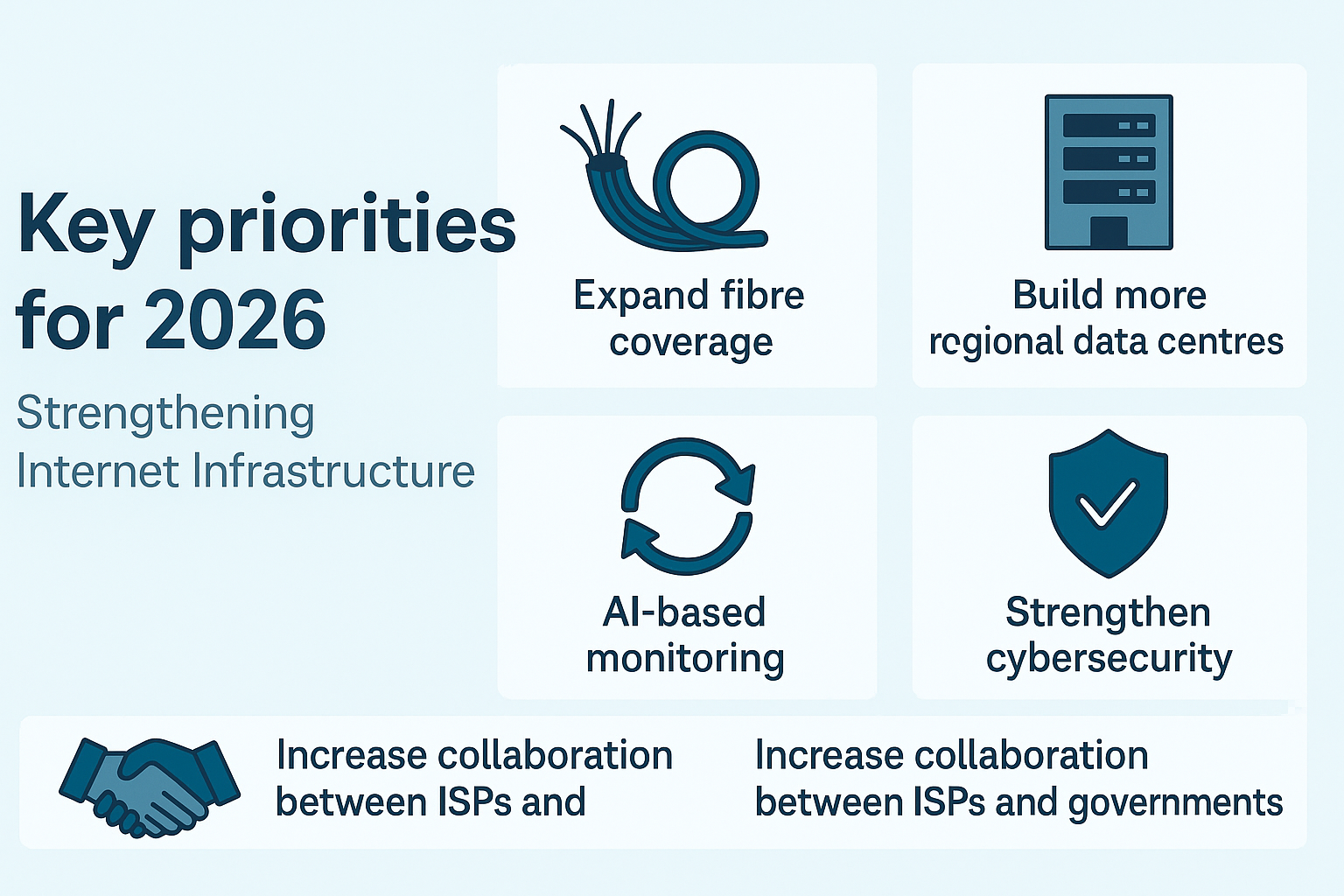
A resilient internet in 2026 will rely on early investment and long-term planning.
Why the Xfinity outage matters far beyond one morning
The Xfinity outage will not be the last significant disruption.
However, it can become a critical turning point. It clarified how dependent society is on uninterrupted connectivity—reminded ISPs that reliability determines customer trust. It also highlighted that digital life needs more thoughtful planning and stronger infrastructure. If the industry treats this outage as a stress test, the next few years can deliver meaningful improvements. If it does not, outages will continue to escalate as demand grows. The goal is simple. Build an internet that supports modern life without slipping under pressure.
Distilled
The outage showed the gap between our expectations and the current state of internet infrastructure. Customers expect seamless online access. Businesses expect uptime. Students expect continuity. Homes expect smart systems to work every time. A modern country cannot afford networks that fail without warning.
The next phase of digital progress depends on resilient systems. The Xfinity outage reminded the nation how urgently that work must begin. As 2026 approaches, providers have a chance to redesign networks for a more demanding digital world.
The internet will remain central to work, learning, communication, and culture. Ensuring its resilience is no longer optional. It is a responsibility.